Your Wipers Sat Idle All Summer. Now They Can’t Handle the Rain.
December 1, 2025
Don’t Let a Dead Battery Ruin Your January—Here’s How to Avoid It
January 8, 2026
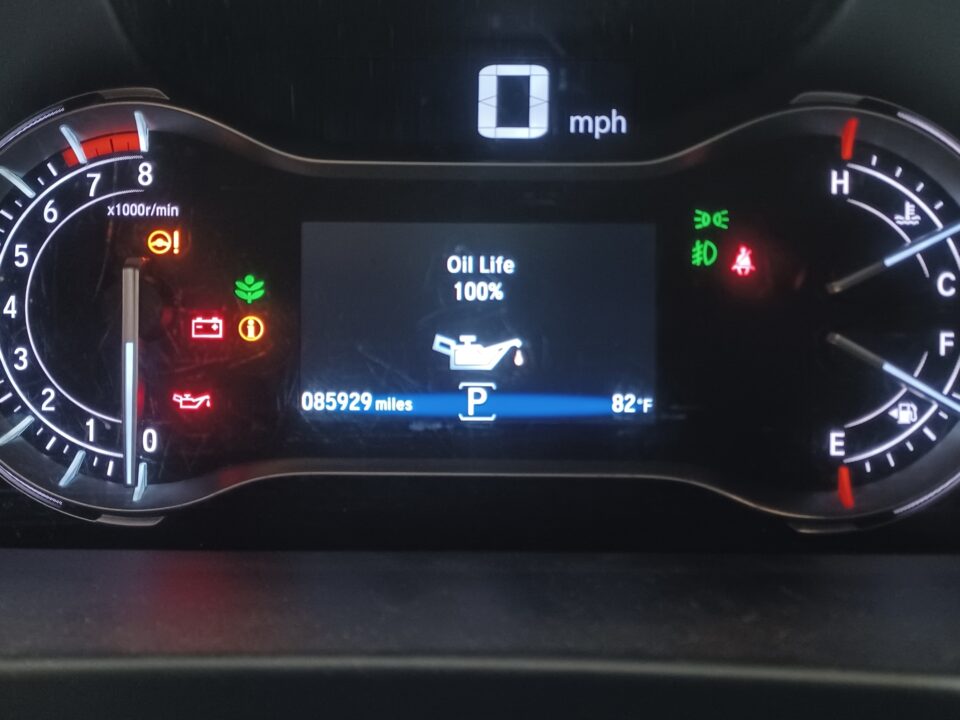
The temperatures finally dropped in Albuquerque — and if your dash just lit up with a ‘Low Tire Pressure’ warning, you’re not alone. Our techs are seeing more of these alerts now that overnight temps are dipping into the 30s. It happens every year around this time, and it catches a lot of drivers off guard.
Whether you’re planning a holiday trip up to Santa Fe to visit family, heading to Durango for some skiing, or driving down to El Paso for the weekend, a little prep now can save you a lot of stress later. And even if you’re staying close to home, the dry-to-freezing overnight swings we get here in New Mexico can take a toll on your vehicle.
Here’s what to check before the cold really sets in — and before you hit the road this holiday season.
Why Cold Weather Impacts Your Car
New Mexico winters throw some curveballs at your vehicle. We can go from mild 60-degree afternoons to freezing 25-degree mornings in a matter of hours, and that temperature swing affects several systems in your car.
When temperatures drop, air compresses inside your tires, causing pressure to fall. Your battery loses cranking power right when you need it most for those cold morning starts. Oil thickens and doesn’t flow as easily through your engine. And if you’ve been driving through our dusty fall weather — which, let’s be honest, is most of us — your filters may already be working overtime before winter even starts.
The good news? A quick checkup addresses all of this, and most items take just a few minutes to inspect.
1. Check Your Tire Pressure
This is the most common winter issue we see at the shop. For every 10-degree drop in temperature, your tires lose about 1 PSI of pressure. That might not sound like much, but when we go from 70 degrees in the afternoon to 30 degrees overnight, that’s a 4 PSI swing — enough to trigger your warning light and affect how your car handles.
Underinflated tires wear unevenly, reduce your braking distance, and hurt your fuel economy. On the flip side, properly inflated tires give you better handling on I-40 and I-25, improve your gas mileage, and help your tires last longer.
Check your owner’s manual or the sticker inside your driver’s door for the correct PSI. And remember — the number on the tire itself is the maximum pressure, not the recommended pressure for your vehicle.
Stop by for a quick tire pressure and tread check — it’s fast and free.
2. Test Your Battery Before It Fails
One of our regulars came in last week with a slow-starting Jeep. She mentioned it had been taking longer to turn over in the mornings, especially after the first cold snap. We tested the battery and found it was at about 40% capacity — enough to work on warm days, but one cold morning away from leaving her stranded at a rest stop on the way to Colorado.
Cold weather can cut your battery’s cranking power by up to 50%. That’s a big deal when you’re already asking more of it during winter — heaters, defrosters, and seat warmers all draw power. If you notice slow starts, dim headlights, or a clicking sound when you turn the key, those are warning signs that your battery is struggling.
Holiday travel means long nights at rest stops and cold mornings in unfamiliar places — not the time to find out your battery is on its last legs.
We offer free battery testing and same-day replacement if you need it.
3. Schedule an Oil & Filter Change
Albuquerque’s dusty environment means your air filter works hard year-round. By the time winter arrives, it may be clogged enough to affect your engine’s performance and fuel efficiency. And when oil gets cold, it thickens — making it harder for your engine to turn over and reducing how well it protects your engine’s moving parts.
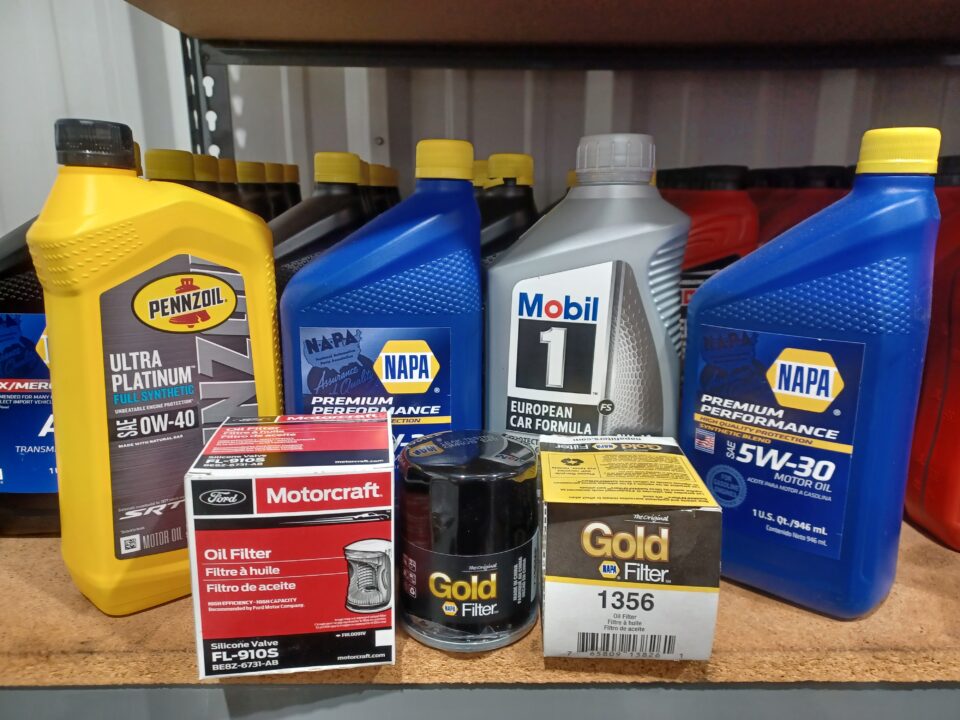
If you’re due for an oil change, or if it’s been more than 5,000 miles since your last one, now’s the time. We recommend a synthetic blend or full synthetic oil for winter trips, especially if you’re heading up into the mountains where temps drop into the single digits. Synthetic oil flows better in cold weather and provides better protection during those crucial first few minutes after a cold start.
4. Check Your Antifreeze and Coolant
Planning a trip to Flagstaff or through the mountain passes toward Durango? Your coolant system needs to handle temperatures well below freezing. If your antifreeze mixture isn’t right — typically a 50/50 mix of coolant and water — you risk a freeze-up that can crack your radiator or damage your engine block. That’s an expensive repair you definitely want to avoid.
A quick coolant test takes just a few minutes and tells us exactly what temperature your system is protected to. It’s a small investment of time for big peace of mind before you head into higher elevations.
5. Inspect Your Wipers and Lights
Holiday travel often means driving after dark — early sunsets and late arrivals are just part of the season. If your headlights seem dimmer than they used to be, or your wipers leave streaks across the windshield, now’s the time to replace them.
Wiper blades typically last about a year, and New Mexico’s intense sun can wear them out even faster. Clear visibility isn’t just convenient — it’s essential for safety on winter roads, especially if you hit snow or freezing rain up in the mountains.
6. Get Your Brakes Checked
If you hear squealing, grinding, or feel any vibration when you brake, don’t wait until after the holidays to get it looked at. Winter roads — especially if you’re driving toward the Sandias or up through the mountain passes toward Colorado — can be slick and unpredictable. You want your brakes responding at 100% when you need to stop quickly.
Even if everything feels fine, it’s worth having us take a quick look if it’s been a while since your last brake inspection.
7. Build a Simple Winter Road Kit
Even if your car is in perfect mechanical shape, it’s smart to pack a few essentials for winter travel. Keep a blanket, flashlight, gloves, ice scraper, and a portable jump starter in your trunk. If you’re traveling with family, add some snacks, water, and phone chargers.
These small preparations can make a big difference if you get stuck in traffic, delayed by weather, or need to help another driver on the side of the road. A little preparation goes a long way toward keeping everyone comfortable and safe.
Why This Matters to Us
At Advantage Automotive, we’re not just here to fix cars — we’re here to help our neighbors travel safely. Many of our customers have been coming to us for years, bringing their kids’ cars in when they head off to college or calling us before long road trips to make sure everything is ready. We take that trust seriously.
When you bring your car in before a trip, we want you to drive away knowing you’re ready for whatever the road throws at you — whether that’s a cold morning start in your own driveway or a snowy pass on the way to see family.
Ready to Get Road-Trip Ready?
Stop by Advantage Automotive for a quick winter travel check. We’ll inspect your tires, battery, fluids, and filters — usually in less time than it takes to grab a coffee next door. No appointment needed for quick checks, but if you want to schedule an oil change or more comprehensive service, we’re happy to get you on the calendar.
Prefer to schedule ahead? Book your winter oil change online — fast, friendly, local service from a team that knows Albuquerque.
Holiday Safety Special: Free Battery & Tire Check with Any Service (Through December 31)