
Why a Summer Tune-Up Matters at Advantage Automotive: Ignition Coils, Misfires, and Up to $25 Back
July 1, 2026
Recon Battery vs. New Battery: Which One Is Right for Your Vehicle?
July 31, 2026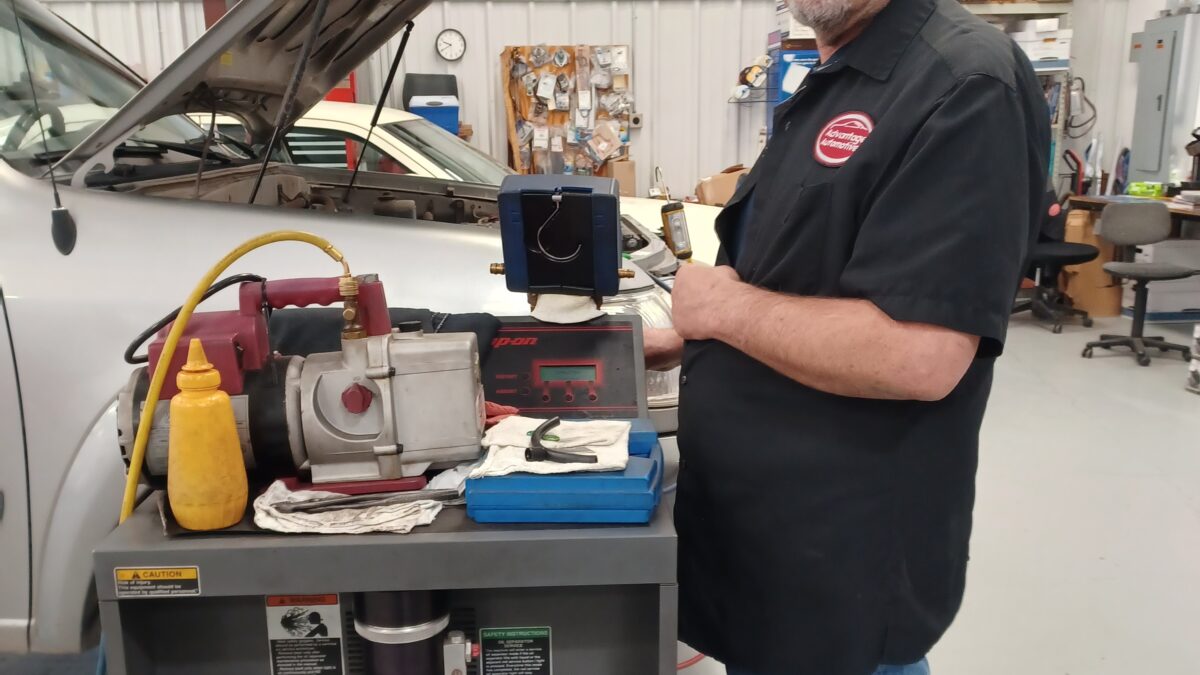
Do not wait until summer temperatures climb into the 90s and beyond. .Turning on your vehicle’s air conditioning only to discover it’s blowing warm air can be frustrating. Unfortunately, this is one of the busiest times of year for automotive A/C repairs. Many drivers don’t realize there’s a problem until the first heat wave arrives.
The good news is that many air conditioning issues can be prevented with routine inspections. Knowing when to have your A/C serviced can help you avoid expensive repairs, improve your driving comfort, and keep your vehicle operating efficiently.
The Best Time to Service Your Vehicle’s A/C
The ideal time to have your air conditioning system inspected is during the spring. Way before temperatures begin to rise. Scheduling service before the summer rush. Doing so you will have a better chance of catching small issues before they become major repairs.
Many repair shops experience a surge in A/C appointments once the weather turns hot. Waiting until your system stops working could mean longer wait times. Driving without air conditioning during the hottest part of the year is not fun.
Even if your A/C seems to be cooling normally, an annual inspection can identify refrigerant leaks. Inspecting for worn components, or declining performance before they leave you stranded in the heat.
How Often Should Your A/C Be Inspected?
Unlike oil changes or tire rotations, vehicle manufacturers don’t always provide a specific maintenance interval for air conditioning systems. Most automotive professionals recommend having your A/C inspected once a year, especially before summer.
Routine inspections help ensure the system is operating efficiently. This allows technicians to identify problems before they become expensive.
You should also schedule an inspection if you notice any of the following:
The air isn’t as cold as it used to be.
Airflow from the vents feels weak.
The A/C takes a long time to cool the cabin.
You hear clicking, squealing, or grinding noises when the A/C is on.
You notice musty or mildew-like odors coming from the vents.
Your windshield doesn’t defog as quickly as it once did.
You’ve never had the A/C system professionally inspected.
You’re planning a summer vacation or long road trip.
If your air conditioner doesn’t feel quite right, don’t wait for it to fail completely. Small issues often become much large and more expensive when ignored.
How Does a Vehicle Air Conditioning System Work?
Your vehicle’s A/C system is made up of several components working together to remove heat from the cabin.
These components include:
Compressor
Condenser
Evaporator
Expansion valve or orifice tube
Refrigerant
Hoses and seals
Pressure switches
Cooling fans
The compressor circulates refrigerant through the system. As the refrigerant changes between liquid and gas, it absorbs heat from inside your vehicle and releases it outside, leaving cool air blowing through your vents.
Because the system operates under high pressure, every component must function properly to produce cold air.
Does Refrigerant Wear Out?
One of the biggest misconceptions about vehicle air conditioning systems is that they simply “run out of Freon.”
In reality, refrigerant is contained inside a sealed system.
It isn’t consumed during normal operation. If refrigerant levels are low, there’s almost always a leak somewhere in the system.
Common leak locations include:
Compressor shaft seals
Hose connections
O-rings
Condenser damage from rocks or road debris
Evaporator leaks
Service ports
Simply adding refrigerant without repairing the leak is usually a temporary solution. Over time, the refrigerant will escape again, and the underlying problem can become worse.
Professional leak detection helps identify the source of the problem so it can be repaired correctly.
Warning Signs Your A/C Needs Service
Many A/C systems give warning signs before they stop working completely.
Watch for these symptoms:
Warm Air
The most obvious sign is air that no longer feels cold. This could indicate low refrigerant, compressor problems, or electrical issues.
Weak Airflow
If plenty of cold air is being produced but very little reaches the cabin, you may have a clogged cabin air filter, failing blower motor, or restricted ventilation system.
Strange Noises
Grinding, squealing, rattling, or clicking noises can indicate compressor damage or worn bearings.
Bad Odors
A musty smell often points to moisture buildup or mold growing on the evaporator. Replacing the cabin air filter and cleaning the system can often eliminate these odors.
Water Inside the Vehicle
A clogged evaporator drain can cause water to leak onto the passenger-side floor instead of draining outside the vehicle.
A/C Cycles Frequently
If the compressor rapidly turns on and off, there may be pressure problems, low refrigerant, or sensor issues.
Any of these symptoms should be inspected by a qualified technician before additional damage occurs.
Why Ignoring A/C Problems Can Cost More
Many drivers continue using an air conditioner that isn’t cooling properly because they assume it’s “good enough.”
Unfortunately, small problems can lead to major repairs.
For example, a minor refrigerant leak can eventually allow enough refrigerant to escape that the compressor loses lubrication. Since refrigerant also carries compressor oil through the system, low refrigerant can cause internal compressor damage.
Replacing a compressor is significantly more expensive than repairing a small leak early.
Addressing problems promptly can often save hundreds or even thousands of dollars.
What Happens During a Professional A/C Inspection?
A proper A/C inspection involves much more than simply adding refrigerant.
A professional technician will typically:
Measure vent temperatures.
Check high- and low-side refrigerant pressures.
Inspect the compressor.
Look for refrigerant leaks.
Examine hoses and fittings.
Inspect the condenser for damage.
Verify cooling fan operation.
Test electrical controls and pressure switches.
Inspect the cabin air filter.
Evaluate overall system performance.
These tests help identify the root cause of cooling problems rather than simply masking the symptoms.
The Importance of the Cabin Air Filter
One often-overlooked component of your A/C system is the cabin air filter.
This filter removes dust, pollen, dirt, and debris before air enters your vehicle’s interior.
When the filter becomes clogged, you may notice:
Reduced airflow
Increased strain on the blower motor
Poor cooling performance
Musty odors
Increased dust inside the cabin
Replacing the cabin air filter at the recommended interval is one of the easiest ways to improve A/C performance.
Simple Ways to Extend the Life of Your A/C System
A few simple habits can help keep your air conditioning system operating efficiently for years.
Run the A/C Year-Round
Even during winter, operate the A/C for several minutes every couple of weeks. This circulates refrigerant and lubricates internal seals, helping prevent leaks.
Replace the Cabin
Air Filter Follow your vehicle manufacturer’s recommendations or have it inspected during routine maintenance.
Keep the Condenser Clean
Leaves, bugs, and road debris can restrict airflow through the condenser and reduce cooling efficiency.
Don’t Ignore Small Problems
Warm air, unusual noises, or unpleasant odors should always be inspected promptly.
Schedule Annual Inspections
A yearly inspection allows technicians to catch issues before they become expensive repairs.
Comfort and Safety Go Hand in Hand
Your vehicle’s air conditioning system isn’t just about comfort.
It also improves safety by:
Removing humidity from the cabin
Clearing fogged windows
Improving visibility during rain
Reducing driver fatigue
Helping passengers stay comfortable during long trips
Providing a safer driving environment in extreme temperatures
A properly functioning A/C system contributes to a more enjoyable and safer driving experience for everyone inside the vehicle.
Trust Advantage Automotive for Your Vehicle’s A/C Service
At Advantage Automotive, we know how important dependable air conditioning is during New Mexico’s hot summers. Our experienced technicians service most makes and models using professional diagnostic equipment to accurately identify A/C concerns not just the symptoms.
Whether your vehicle needs an A/C performance inspection, refrigerant leak detection, compressor replacement, condenser repair, cabin air filter replacement, or complete system diagnostics, we’re here to help.
We believe in finding the root cause of the problem and providing honest recommendations so you can make informed decisions about your vehicle’s care. Our goal is to help you avoid unexpected breakdowns, extend the life of your A/C system, and keep you comfortable on every drive.
If your air conditioning isn’t keeping up with the heat or if you simply want the peace of mind that comes with a professional inspection don’t wait until it fails on the hottest day of the year.
Schedule your A/C service with Advantage Automotive today and enjoy cool, reliable comfort all summer long.
Make an Appointment FaceBook Instagram Website