
Why You Should Never Use Store-Bought Freon to Fix Your Own Car’s AC
June 24, 2025
Brake Check Season: Get NAPA Rebates + Peace of Mind
September 1, 2025
As summer winds down and students prepare to head back to campus, there’s one crucial checklist that often gets overlooked—making sure your vehicle is ready for the demands of the school year ahead. Whether you’re a college student driving to campus for the first time or a parent sending your teen off with the family car, understanding the fundamentals of automotive maintenance isn’t just about avoiding breakdowns—it’s about building confidence, ensuring safety, and developing the knowledge that will serve you for years to come.
Key Ideas
1. Automotive maintenance is a critical but often overlooked part of back-to-school preparation – Whether you’re a first-time college driver or a parent sending a teen off with the family car, ensuring your vehicle is ready for the school year demands ahead is essential for safety and peace of mind.
2. Understanding the “why” behind maintenance builds better car ownership habits – When you know why components matter and how they function, you’re more likely to stay on top of maintenance and become a more confident, informed vehicle owner.
3. The 3 B’s represent the most critical interconnected systems – Batteries (electrical power), Brakes (safety), and Belts (engine accessory operation) work together as an automotive ecosystem where failure in any one system can mean being stranded, facing expensive repairs, or compromising safety.
At Advantage Automotive, we believe that the best maintenance approach starts with understanding. When you know why something matters, you’re more likely to stay on top of it. That’s why we’ve built our back-to-school service around the 3 B’s: Batteries, Brakes, and Belts. These three systems work together to keep you moving safely and reliably, and understanding how they function will help you become a more informed car owner.
Why These Three Components Matter Most
Think of your vehicle as a complex ecosystem where every component plays a vital role. The battery provides the electrical energy that starts your engine and powers your lights, radio, and charging ports. Your brakes convert the kinetic energy of your moving vehicle into heat, bringing you safely to a stop. The belts transfer power from your engine to essential systems like your alternator, water pump, and air conditioning compressor.
When any of these systems fails, it doesn’t just mean inconvenience—it can mean being stranded far from home, facing expensive emergency repairs, or worse, compromising your safety on the road. For students especially, who may be driving longer distances, parking in unfamiliar areas, or managing tight budgets, preventive maintenance becomes even more critical.
Batteries: The Heart of Your Vehicle’s Electrical System
Your car’s battery does more than just start the engine. In modern vehicles, it’s the foundation of an increasingly complex electrical system that powers everything from your smartphone charger to advanced safety features. Understanding how your battery works and what can go wrong helps you stay ahead of problems.
How Car Batteries Work
A car battery stores electrical energy in chemical form and converts it back to electricity when needed. Most vehicles use lead-acid batteries with six cells, each producing about 2.1 volts for a total of 12.6 volts when fully charged. When you turn the key or press the start button, the battery delivers a surge of current to the starter motor, which cranks the engine. Once running, the alternator takes over, powering the electrical system and recharging the battery.
Signs Your Battery Needs Attention
Learn to recognize the early warning signs before you’re left with a dead battery. If your engine cranks slowly or hesitates when starting, especially on cold mornings, your battery may be weakening. Dashboard warning lights, particularly the battery or charging system light, indicate electrical problems that need immediate attention.
Pay attention to your headlights too—if they seem dimmer than usual or flicker when idling, your battery or charging system may be struggling. Modern vehicles also provide subtle clues: if your radio presets reset, your clock loses time, or electronic accessories behave erratically, these can signal battery issues.
Maintaining Battery Health
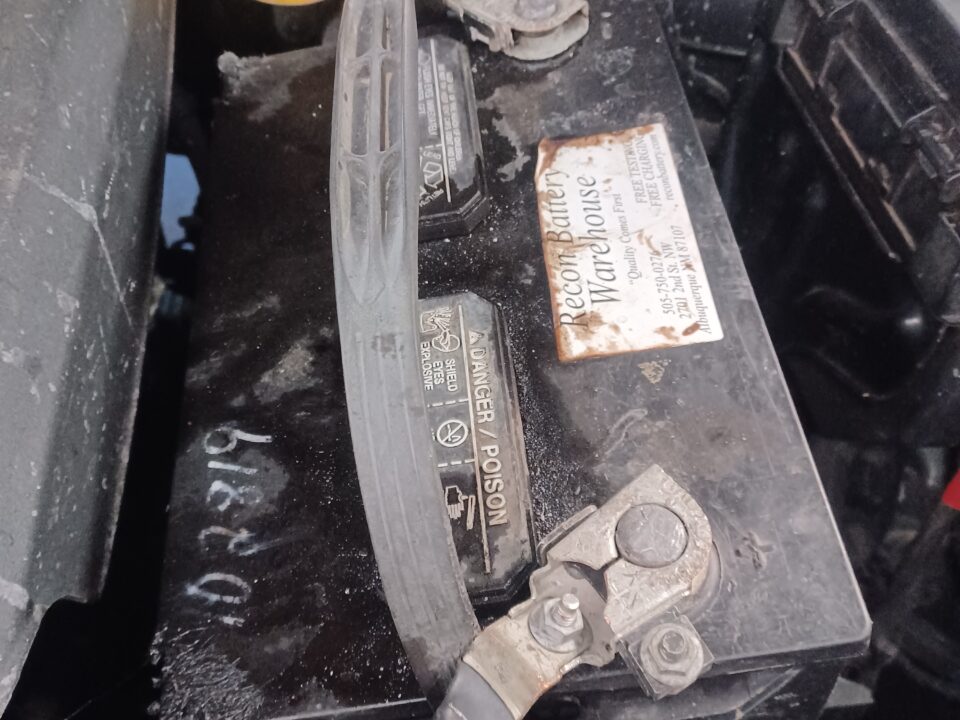
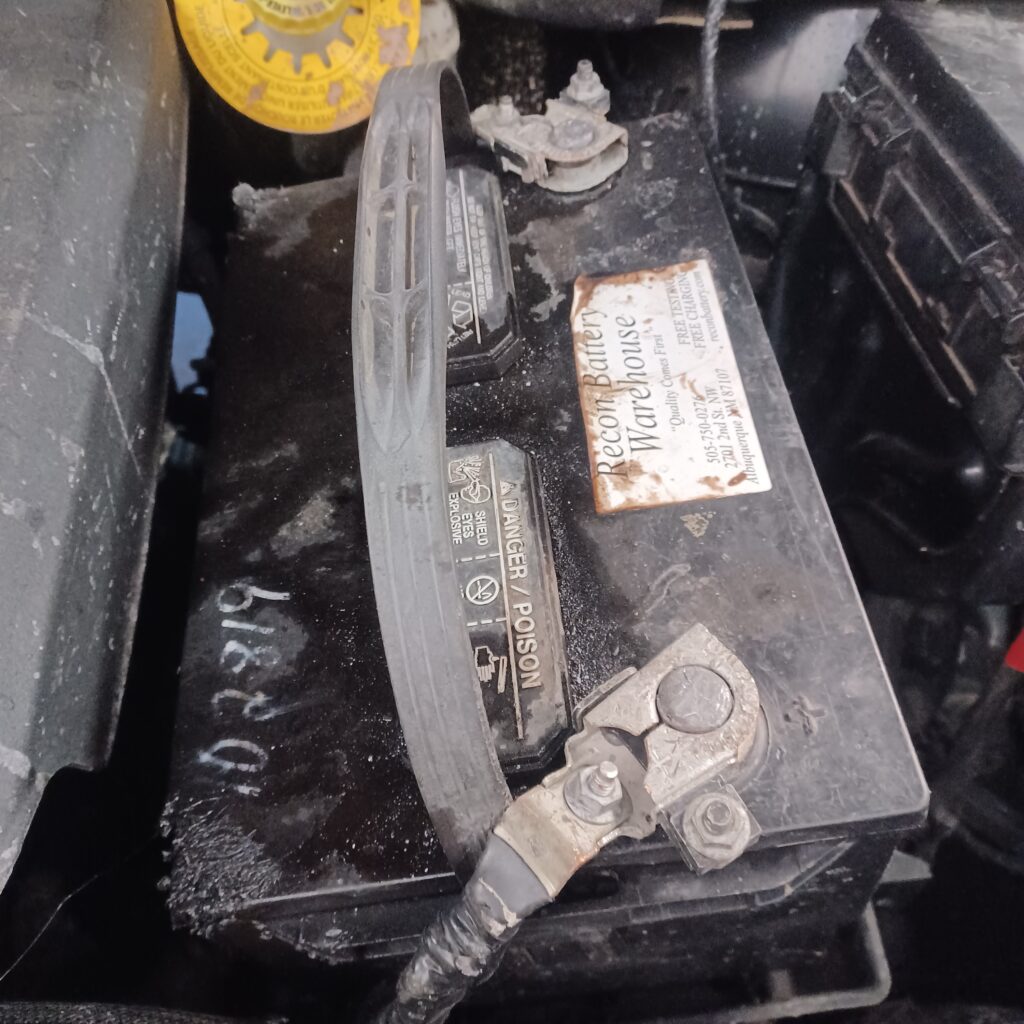
Battery maintenance starts with keeping the terminals clean and tight. Corrosion appears as a white, blue, or green powdery substance around the battery posts and can prevent proper electrical connection. You can clean minor corrosion with a mixture of baking soda and water, but significant buildup should be addressed by a professional.
Temperature extremes are a battery’s biggest enemy. Cold weather slows the chemical reactions inside the battery, reducing its capacity, while extreme heat accelerates the chemical processes, leading to faster degradation. If you’re parking outside regularly, especially in climates with harsh winters or intense summers, your battery will work harder and may need replacement sooner.
Most car batteries last between three to five years, but this varies significantly based on driving habits, climate, and vehicle electrical demands. If your battery is approaching the three-year mark, having it tested can prevent unexpected failures.
Brakes: Your Most Important Safety System
Your braking system is arguably the most critical safety feature of your vehicle. Unlike other automotive systems that might leave you stranded, brake failure can put you and others in immediate danger. Understanding how your brakes work and recognizing warning signs helps you maintain this crucial safety system.
Understanding Your Brake System
Most modern vehicles use disc brakes on the front wheels and either disc or drum brakes on the rear. When you press the brake pedal, you’re activating a hydraulic system that multiplies the force from your foot and applies it to brake pads or shoes, which create friction against rotors or drums to stop your wheels.
The brake fluid in this system is crucial—it transfers the force from your pedal to the brakes at each wheel. Unlike other automotive fluids, brake fluid is hygroscopic, meaning it absorbs moisture from the air over time. This moisture can lead to corrosion in the brake lines and reduce the fluid’s boiling point, potentially causing brake fade in demanding situations.
Recognizing Brake Problems
Your brakes communicate with you constantly, and learning their language can prevent dangerous situations. Squealing or grinding noises when braking indicate worn brake pads. The squealing comes from small metal indicators designed to contact the rotor when the pad material gets thin, serving as an audible warning that replacement is needed.
If you feel vibrations or pulsing in the brake pedal or steering wheel when braking, your rotors may be warped or unevenly worn. A brake pedal that feels spongy or sinks toward the floor suggests air in the brake lines or a leak in the hydraulic system—both serious safety concerns that require immediate professional attention.
Pay attention to how your vehicle pulls to one side when braking, as this can indicate uneven brake wear, contaminated brake fluid, or problems with the brake calipers. Any of these symptoms warrant prompt inspection by a qualified technician.
Brake Maintenance Essentials
Brake maintenance isn’t just about replacing worn components—it’s about maintaining the entire system. Brake fluid should be inspected regularly and replaced according to your vehicle manufacturer’s schedule, typically every two to three years. Old brake fluid appears dark and cloudy, while fresh fluid is clear and light-colored.
Brake pads typically need replacement every 25,000 to 70,000 miles, depending on your driving habits and pad material. City driving with frequent stops wears brakes faster than highway driving. If you’re a new driver, understanding that gentle, progressive braking extends pad life while also providing smoother, safer stops for your passengers.
Belts: The Unsung Heroes of Engine Operation
Drive belts might seem like simple rubber bands, but they’re sophisticated components that transfer power from your engine’s crankshaft to vital accessories. Modern vehicles typically use a single serpentine belt that winds around multiple pulleys, driving the alternator, power steering pump, air conditioning compressor, and sometimes the water pump.
How Drive Belts Function
The serpentine belt system replaced the older multiple V-belt setup found in vintage cars, providing more efficient power transfer and easier maintenance. The belt follows a specific routing pattern around tensioner pulleys that maintain proper tension automatically. This system is elegant in its simplicity but demands respect—if the belt breaks, you’ll lose power steering, charging capability, and air conditioning simultaneously.
Understanding belt routing helps you appreciate why proper installation matters. The belt’s ribbed underside must align correctly with the grooved pulleys, and the automatic tensioner must maintain proper pressure. Too loose, and the belt slips, squeals, and wears prematurely. Too tight, and it places excessive stress on bearings in the alternator, water pump, and other accessories.
Identifying Belt Problems
A failing belt announces itself through several telltale signs. Squealing, especially when starting the engine or during acceleration, often indicates a loose or worn belt. This sound occurs because the belt is slipping against the pulleys rather than gripping firmly.
Visual inspection reveals important clues about belt condition. Look for cracks running perpendicular to the belt’s length, fraying edges, or missing chunks of material. A glazed, shiny appearance on the belt’s contact surface suggests slipping and overheating. If you notice any of these signs, belt replacement should be scheduled promptly.
Modern belts are more durable than their predecessors, typically lasting 60,000 to 100,000 miles under normal conditions. However, extreme temperatures, oil contamination, and misaligned pulleys can significantly reduce belt life.
Belt Maintenance and Prevention
Unlike many automotive components, drive belts don’t require regular service—they either work or they don’t. However, keeping the engine bay clean helps extend belt life by preventing oil and debris from contaminating the belt material. If you notice oil leaks near the belt area, addressing them quickly prevents premature belt deterioration.
The tensioner pulley and idler pulleys in the belt system also require attention. A failing tensioner can’t maintain proper belt tension, leading to slipping and premature wear. Listen for bearing noise from these components—a grinding or rumbling sound that changes with engine speed may indicate pulley problems.
Building Your Automotive Knowledge Foundation
Learning about these three critical systems provides a foundation for understanding how your vehicle operates. This knowledge empowers you to have informed conversations with service technicians, recognize problems early, and make better decisions about maintenance and repairs.
For students especially, developing automotive literacy parallels other important life skills. Just as you learn to manage your finances, maintain your health, and care for your living space, understanding your vehicle’s needs helps you develop responsibility and self-sufficiency.
Creating Your Maintenance Schedule
Effective maintenance isn’t about fixing things when they break—it’s about preventing problems before they occur. Start by familiarizing yourself with your vehicle’s owner’s manual, which contains manufacturer-specific recommendations for your exact make and model.
Create a simple tracking system for maintenance intervals. Many students find success using smartphone apps or simple spreadsheets to track mileage and service dates. Record when services are performed and note any observations about your vehicle’s behavior. This documentation helps you identify patterns and provides valuable information for technicians when issues arise.
When to Seek Professional Help
While understanding these systems builds confidence, knowing when to seek professional help demonstrates wisdom. Brake system work, in particular, requires specialized tools and expertise. The hydraulic nature of brake systems means that improper service can create dangerous conditions.
Battery testing requires specialized equipment to measure not just voltage but capacity and load-bearing ability. Professional technicians can also check the charging system to ensure your alternator is properly maintaining the battery.
Belt replacement, while seemingly straightforward, requires knowledge of proper routing and tensioning procedures. Modern belt systems use specific torque specifications and routing patterns that vary by engine type.
Preparing for the Road Ahead
As you head back to school, remember that automotive maintenance is an ongoing process, not a one-time event. Develop habits that support long-term vehicle health: check fluid levels regularly, listen to your vehicle for changes in sound or behavior, and address small problems before they become major repairs.
Keep basic emergency supplies in your vehicle, including jumper cables, a flashlight, and emergency contact information. Know how to safely pull over if you experience problems, and don’t hesitate to call for help when needed.
Your vehicle represents freedom, opportunity, and independence. By understanding and maintaining the essential systems that keep you moving safely, you’re investing in your own capability and confidence. The 3 B’s—Batteries, Brakes, and Belts—provide the foundation for reliable transportation throughout your academic journey and beyond.
At Advantage Automotive, we’re committed to helping you understand your vehicle and maintain it properly. Our back-to-school inspection covers these critical systems and more, ensuring you start the semester with confidence in your vehicle’s reliability. Because when your car works right, you can focus on what matters most—your education, your goals, and your future.
Schedule your back-to-school automotive inspection today, and drive into the new semester with the confidence that comes from knowing your vehicle is ready for whatever the road ahead might bring.