Before the Summer Road Trip: A Brakes-First Pre-Trip Check
May 22, 2026
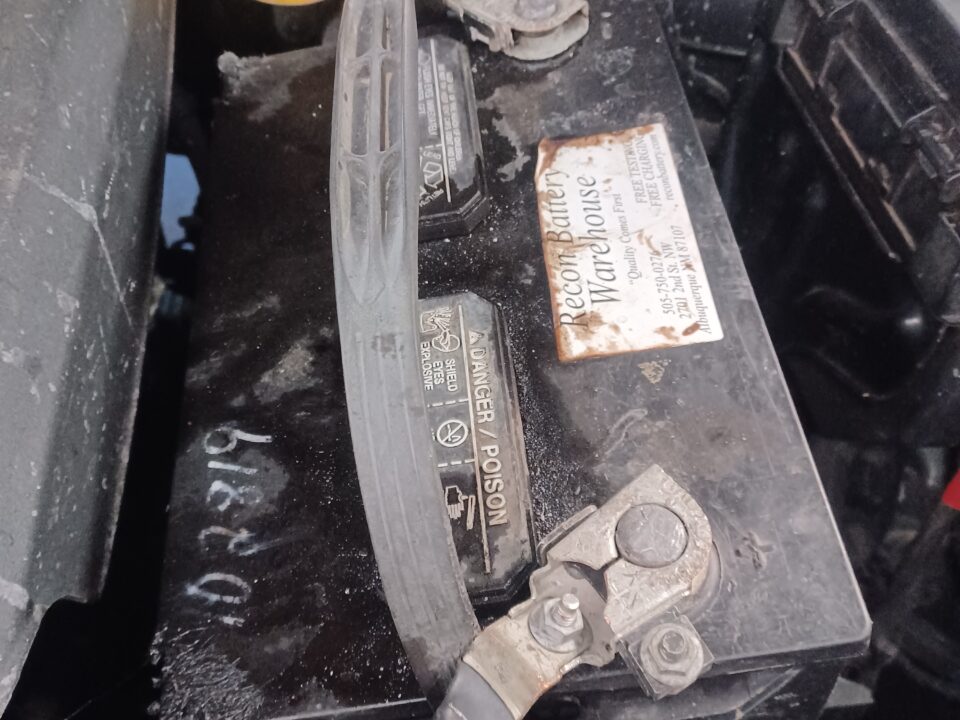
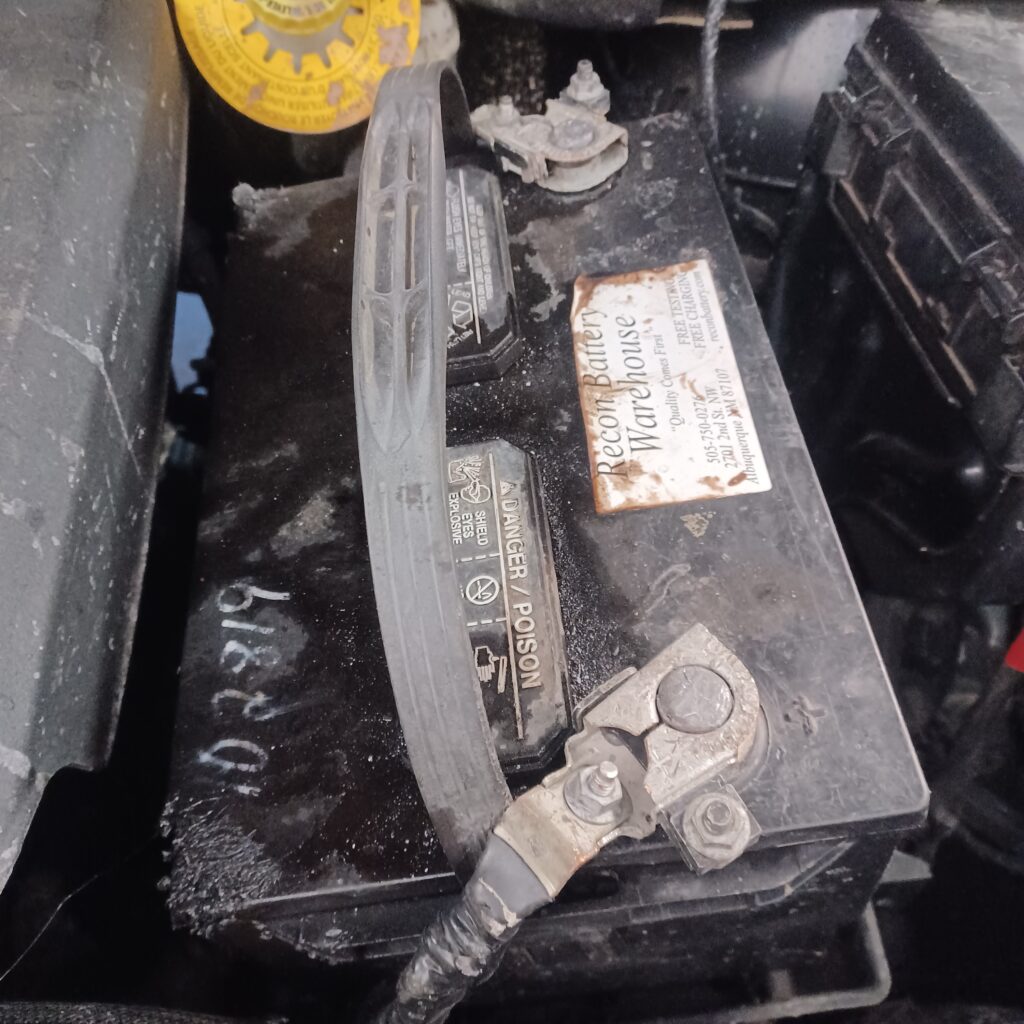
Beat Summer Battery Death: Up to $25 Back on a Qualifying Battery at Advantage Automotive
July 1, 2026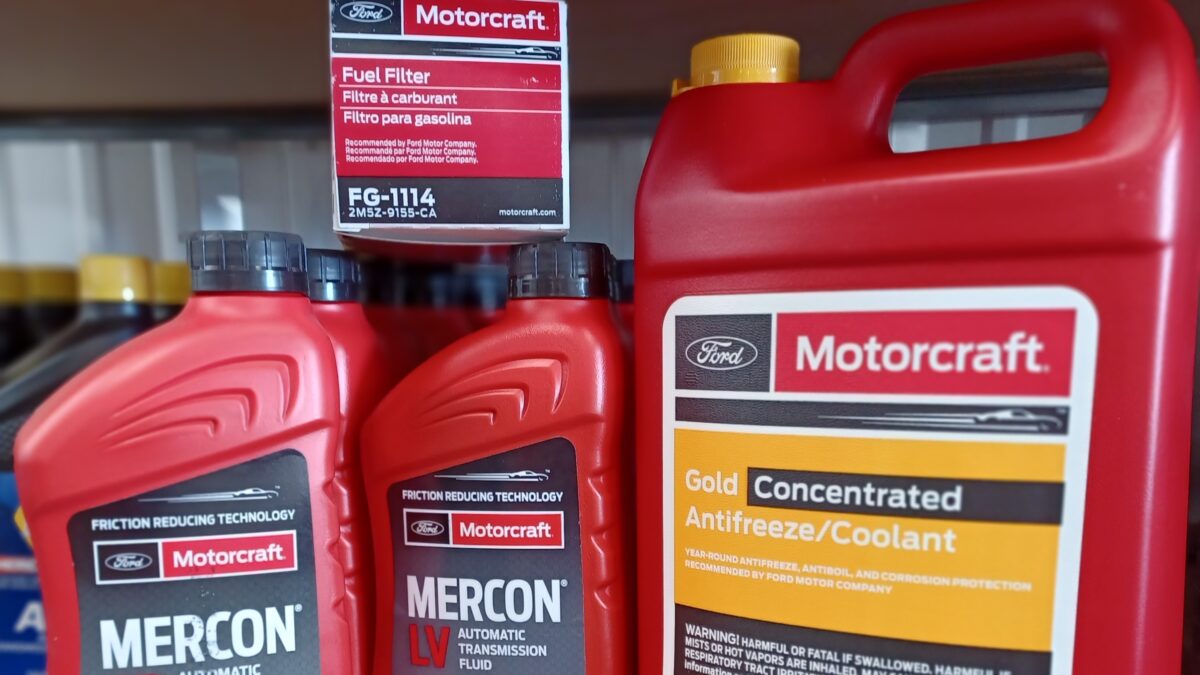
Vehicle owners believe newer vehicles require less maintenance. They are built with advanced technology, synthetic fluids, and sophisticated onboard computers. Today’s vehicles are certainly more advanced than ever before. Routine maintenance based on mileage is more important than newer cars.
At Advantage Automotive, we often hear customers say, “The vehicle is running fine,” or “The maintenance light hasn’t come on yet.” Unfortunately, waiting until there is a problem can lead to costly repairs. This could have been prevented with scheduled maintenance.
Today’s Vehicles Are More Complex
Modern vehicles are equipped with:
Turbocharged engines
Direct fuel injection systems
Variable valve timing
Electronic transmissions
Advanced cooling systems
Multiple onboard computers and sensors
Emissions control systems
These components work together to improve fuel economy, performance, and emissions. However, they also require proper maintenance to continue operating as designed.
Ignoring routine service can shorten the lifespan of expensive components. Leading to repairs that cost thousands of dollars.
Oil Changes Are More Critical Than Ever
One of the biggest misconceptions is that newer vehicles can safely go 7,500, 10,000, or even 15,000 miles between oil changes.
Most drivers do not operate under ideal conditions. While manufacturers may recommend extended intervals under ideal driving conditions.
Frequent short trips, stop-and-go traffic, extreme temperatures, towing, and dusty conditions all place additional stress on engine oil.
Over time, oil breaks down and loses its ability to:
Lubricate engine components
Reduce friction
Remove contaminants
Control engine temperatures
When oil is left in service too long, sludge can begin forming, which may damage timing chains, turbochargers, camshafts, and other expensive engine components.
At Advantage Automotive, we recommend oil changes every 3,000 miles to help maximize engine life and reduce long-term repair costs.
Fluids Are the Lifeblood of Your Vehicle
Vehicle owners focus only on engine oil and overlook other critical fluids.
Routine maintenance schedules are designed around mileage because fluids naturally degrade over time and use.
Important fluids include:
Transmission Fluid
Helps lubricate and cool transmission components. Neglecting transmission service can lead to premature transmission failure.
Coolant
Protects against overheating, corrosion, and freezing. Old coolants lose their protective properties and can damage radiators, water pumps, and heater cores.
Brake Fluid
Absorbs moisture over time, reducing braking performance and potentially damaging brake system components.
Power Steering Fluid
Helps maintain smooth steering operation and protects steering components.
Differential and Transfer Case Fluids
Especially important for trucks, SUVs, and four-wheel-drive vehicles.
Preventing Expensive Repairs
Routine maintenance is far less expensive than major repairs.
For example:
A transmission service costs significantly less than replacing a transmission.
Coolant maintenance costs far less than replacing a blown head gasket.
Replacing air filters is cheaper than repairing fuel system issues caused by contamination.
Regular inspections can identify small leaks before they become major problems.
The goal of maintenance is not simply to keep the vehicle running today. It is to help prevent costly failures tomorrow.
Mileage Matters More Than Age
Maintenance items are based on mileage because vehicle components wear with use.
Even if a vehicle is only a few years old, it may still need:
Oil changes
Transmission service
Coolant service
Brake fluid service
Spark plugs
Air filters
Cabin filters
Tire rotations
Suspension inspections
Following mileage-based maintenance schedules helps ensure these items are serviced before they become problems.
Warning Lights Don’t Replace Maintenance
Today’s vehicles have sophisticated monitoring systems, but warning lights are not maintenance schedules.
Components can be worn significantly before a warning light appears.
By the time a check engine light or warning message appears, damage may already be occurring.
Routine inspections allow technicians to identify:
Fluid leaks
Worn belts and hoses
Tire wear
Suspension issues
Brake concerns
Battery problems
before they leave you stranded or facing an expensive repair bill.
Safety Is Part of Routine Maintenance
Maintenance is not about protecting your investment; it is also about protecting your family.
Regular inspections help ensure:
Brakes are operating properly
Tires have adequate tread
Suspension components are safe
Steering systems are functioning correctly
Lights and safety systems work properly
A well-maintained vehicle is a safer vehicle.
The Advantage Automotive Approach
At Advantage Automotive, we believe routine maintenance is one of the best investments you can make in your vehicle.
Our goal is not to sell unnecessary services. Our goal is to help you avoid unexpected breakdowns. We want to maximize the life of your vehicle and keep your family safe on the road.
Modern vehicles are lasting longer than ever before, but only when they receive proper maintenance.
Do not wait for a warning light or a breakdown to tell you something is wrong. Following a mileage-based maintenance schedule today can save you thousands of dollars on repairs tomorrow.
Take care of your vehicle before it needs repairs, and it will take care of you for years to come.